Rain Water for the Poor, Sharankhola Upazila, Bagerhat District, Bangladesh
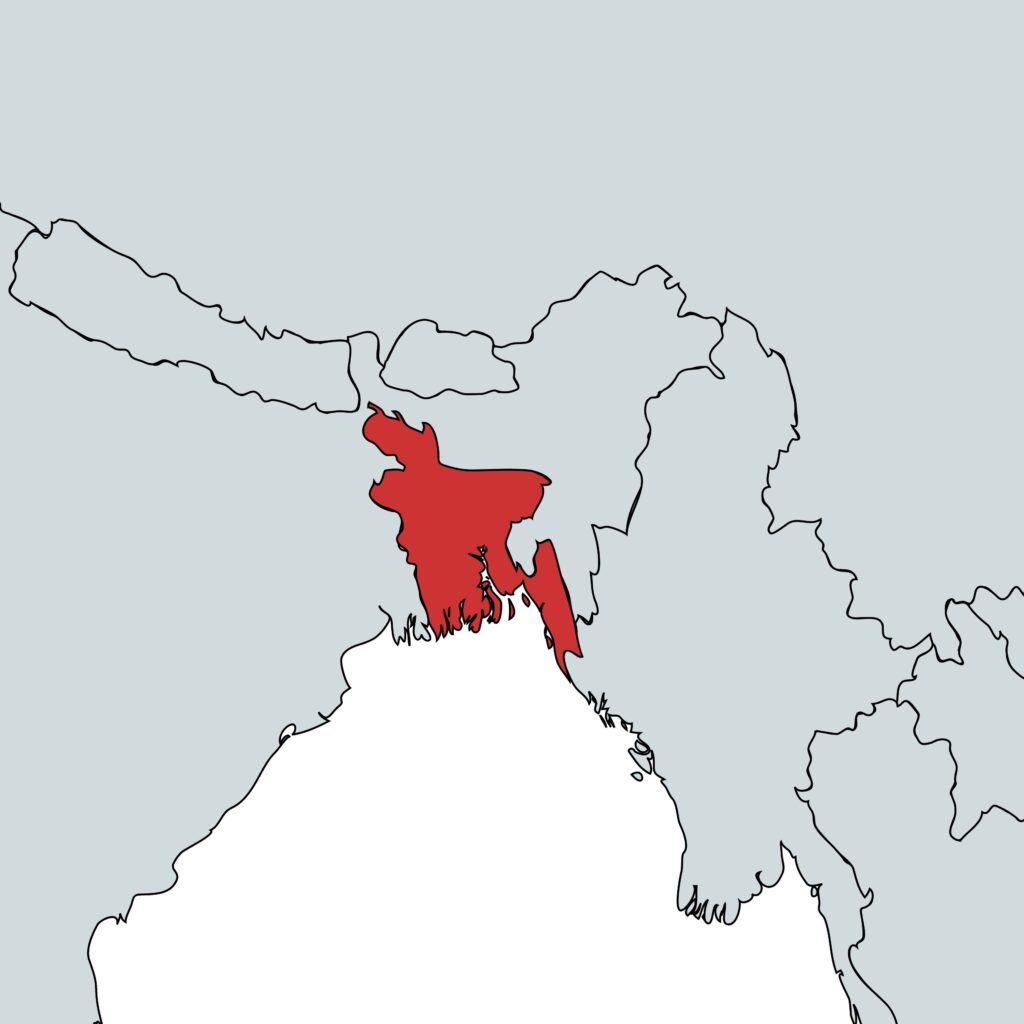
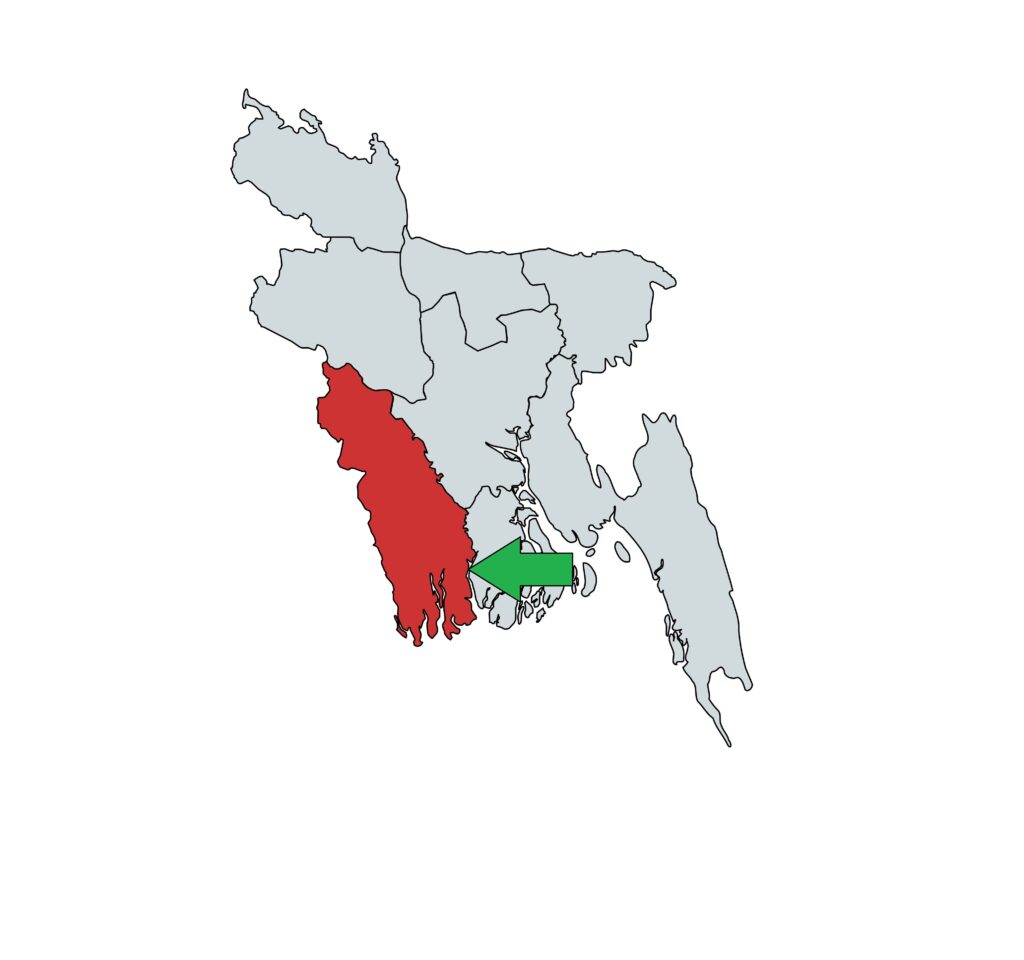
1.Project site
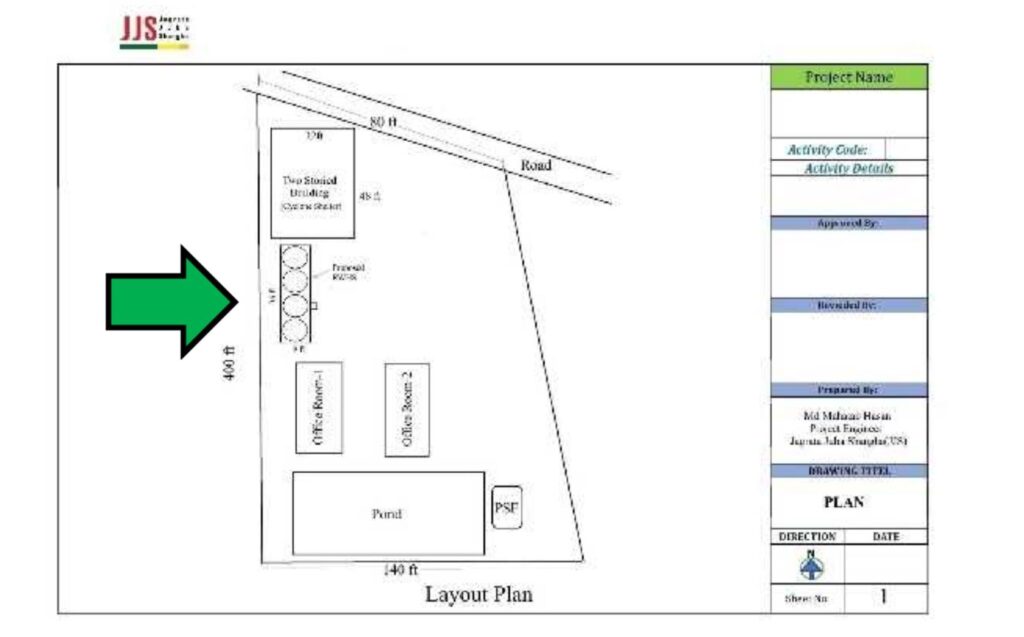
Jagrata Juba Shangha (JJS) Development Center, Bakultala Community, Rayenda Village, South Khali Union, Sharankhola Upazila, Bagerhat District, Khulna Division, Bangladesh
Created with mapchart.net
【Project site plan】
2.Number of expected beneficiaries:
500 direct beneficiaries (100 households – 174 men, 176 women, 150 children)
3.Local Partner:
Jagrata Juba Shangha(JJS)
Website: www.jjsbangladesh.org
Facebook: https://www.facebook.com/jjsbangladesh
4. Project description
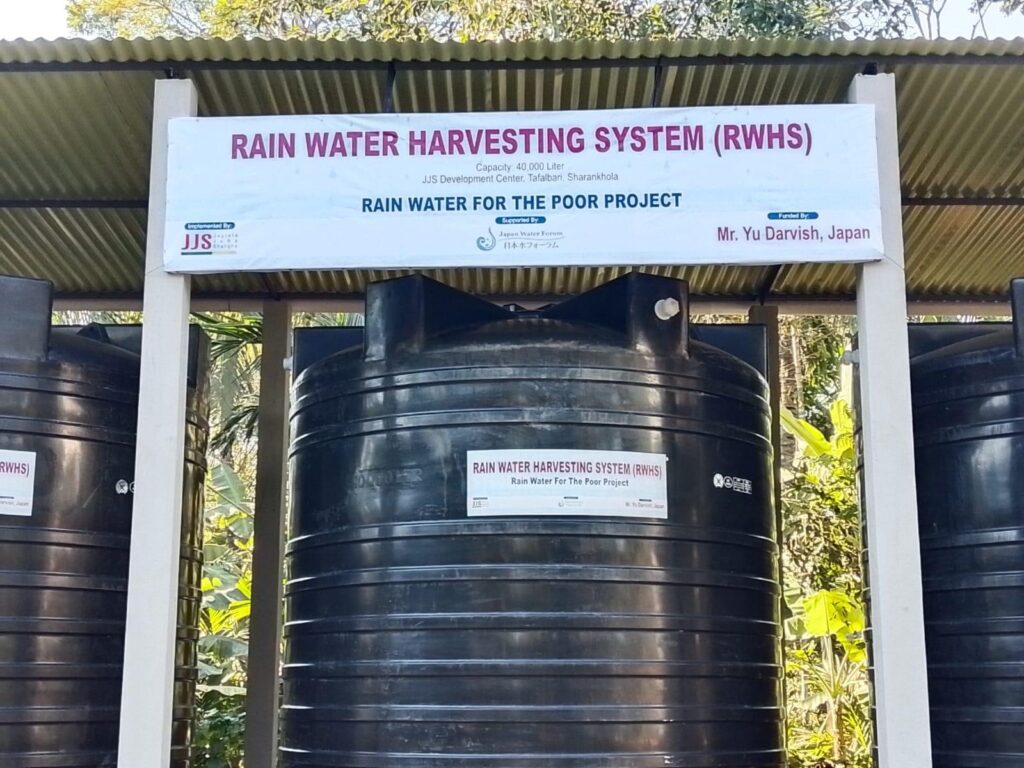
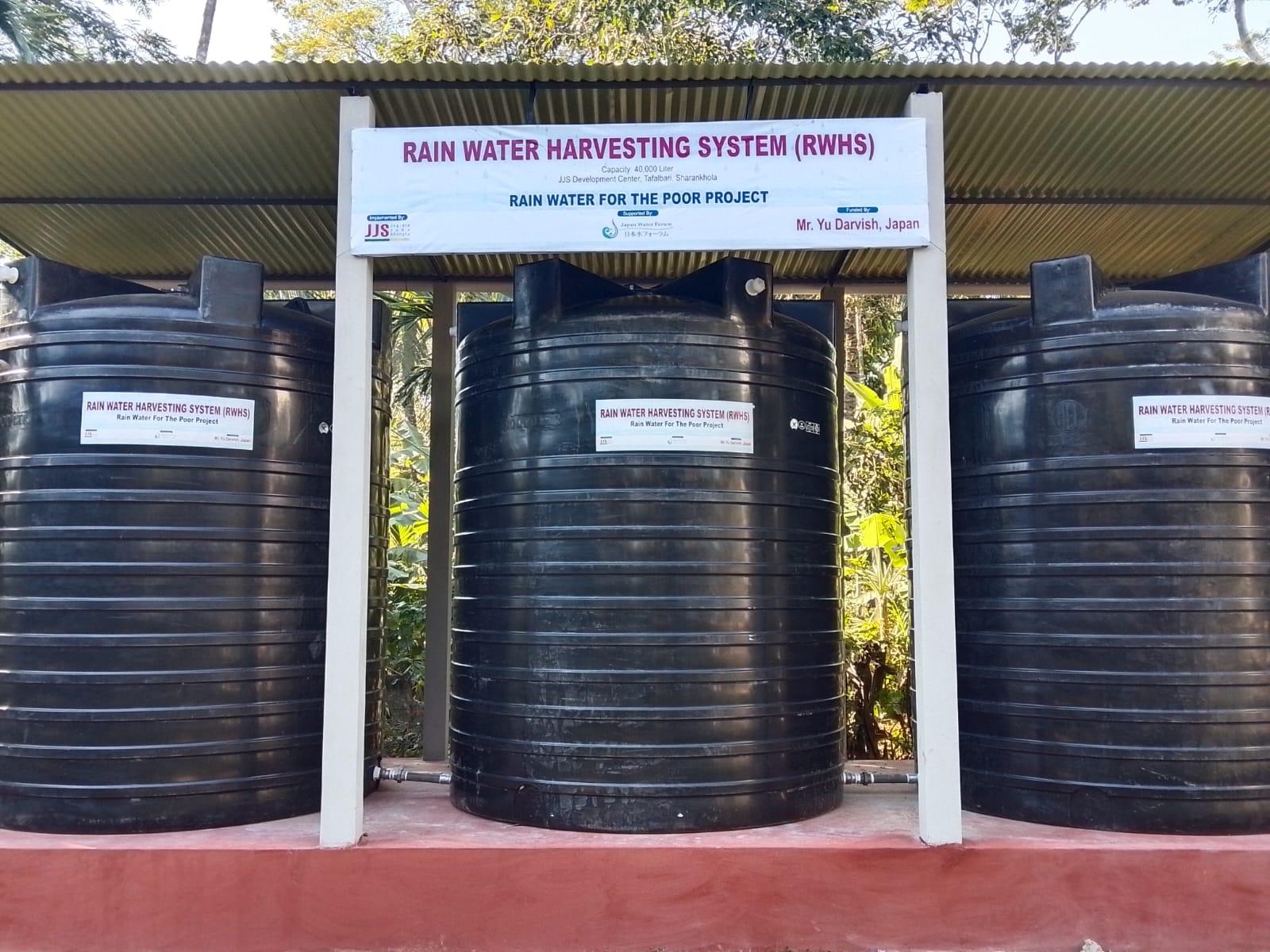
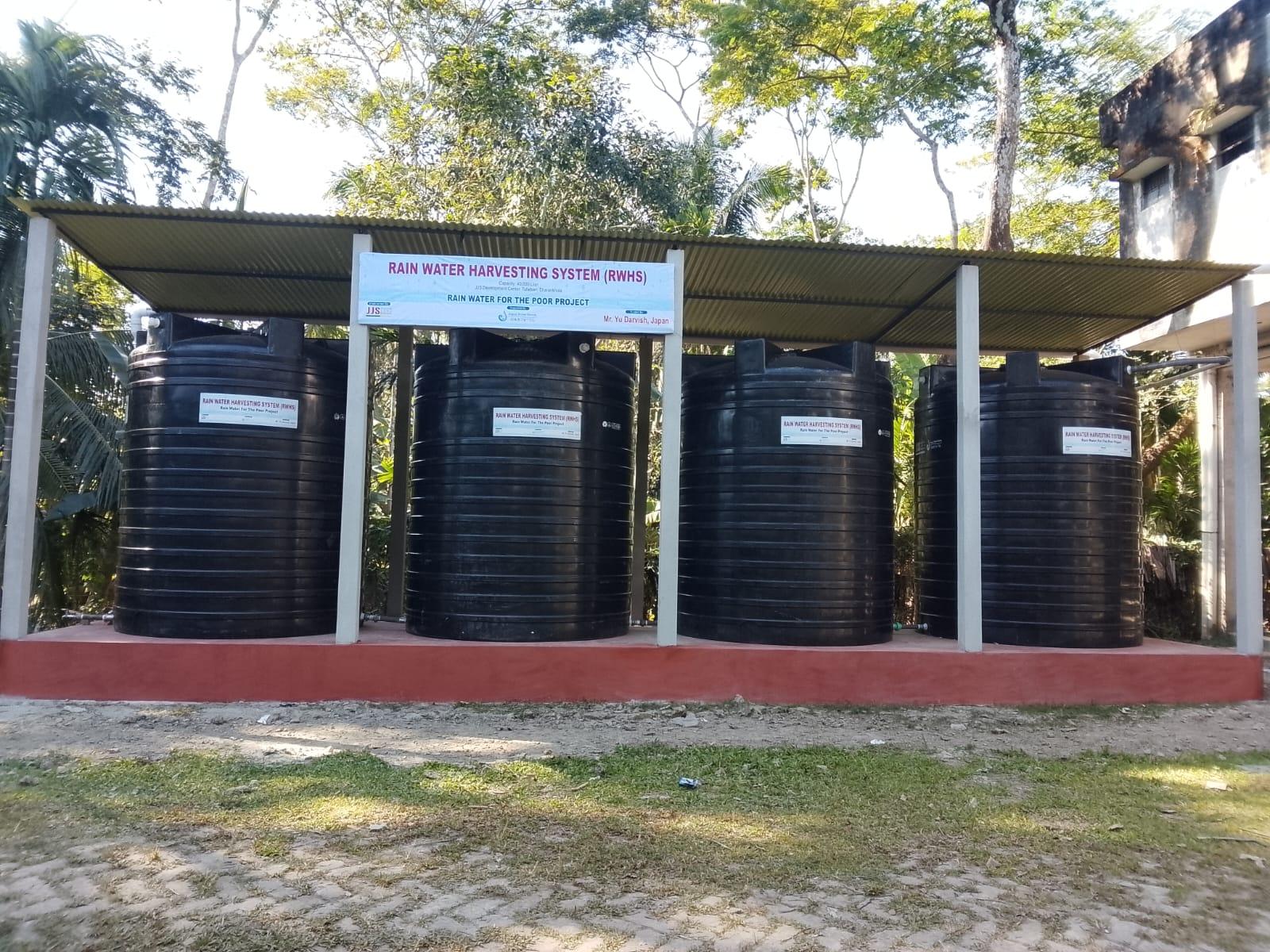
The Rain Water for the Poor project was carried out from July 2025 to January 2026 in Rayenda Village, South Khali Union, Sharankhola Upazila, Bagerhat District. The project was aimed at providing year-round access to safe drinking water for 500 vulnerable community members through community-based rainwater harvesting systems (RWHS) near cyclone shelters at the JJS Development Center. Key activities included signing the MoU, obtaining NGO Bureau approval, procuring materials, constructing the RWHS, forming a Management Committee, and conducting hygiene awareness campaigns in the community and at schools. Construction of The RWHS, with a total capacity of 40,000 liters (10,000 liters per tank), was completed successfully, though one water tank was delayed due to transport damage. Courtyard sessions and a school campaign raised awareness on safe water use, hygiene, and sanitation practices.
【Outputs】
- RWHS for 500 direct beneficiaries (100 households – 174 men, 176 women, 150 children)
- Formation of a management committee and holding of regular meetings
- Hygiene awareness campaigns for the community and school
【Challenges】
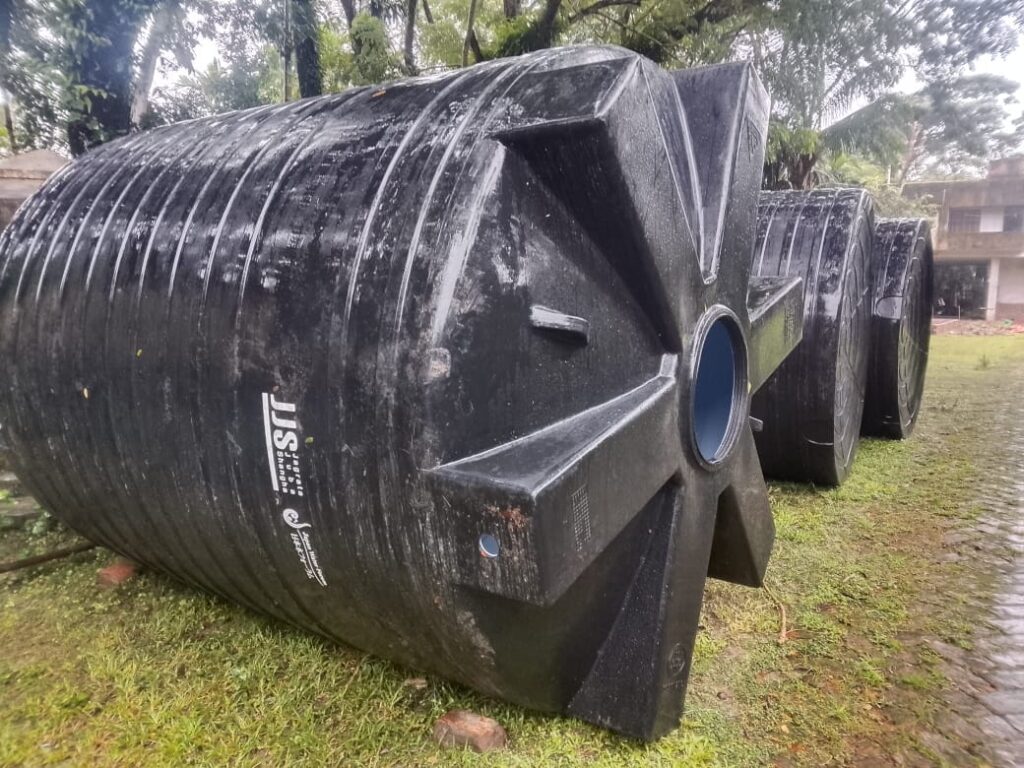
- One of the 10,000-liter water tanks was found to have been damaged during transportation. Since these tanks are custom-made, a replacement took until the last week of October 2025 to arrive.
- The rainy season finished before the installation of the RWHS, so it could not be utilized immediately.
- Effective water collection will begin during the next rainy season. Water quality testing, and comments by beneficiaries will then be reported. Expected time for additional reporting is after April 2026.
5.Summary of project activities
1)Agreement signing
A formal MoU for the project was signed on 1 July 2025 between Jagrata Juba Shangha (JJS) and the Japan Water Forum (JWF).
2)NGO Bureau approval
JJS prepared the required Foreign Donation Form-6 to obtain official approval from the NGO Affairs Bureau of the Government of Bangladesh. The application was submitted in the third week of June 2025. The project received NGO Bureau approval on 13 August 2025, significantly faster than the standard three-month processing period.
3)Project inception and progress-sharing meeting
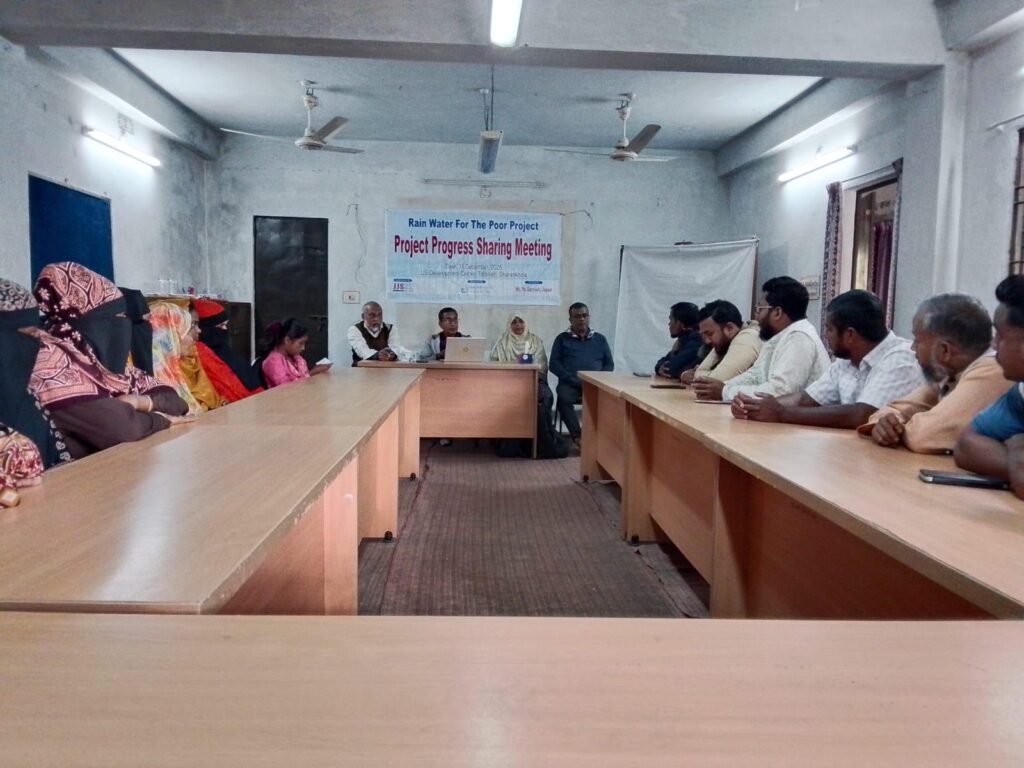
On 11 December 2025, an Inception and Progress-Sharing Meeting was held at the JJS Development Center to introduce the RWHS project. Around 30 participants, including community members, local elected representatives, and other stakeholders, attended. The project was described, along with its objectives, activities, timeline, and the role of stakeholders. JJS staff presented on the project background, current progress, technical design, site selection, beneficiary criteria, and future management through the RWHS Management Committee. The donor’s name, Mr. Darvish Yu was also introduced in order to ensure funder visibility.
4)Tendering and procurement of materials
JJS issued a tender for procuring water tanks and constructing the rainwater harvesting systems (RWHS) on 26 August 2025. They followed the open tender method (OTM) for constructing the RWHS. Following a competitive evaluation process, the JJS Procurement Committee selected Maryeam Enterprise as the implementing contractor. Construction work commenced in September 2025 and was fully completed by the third week of November 2025.
5)Construction of RWHS
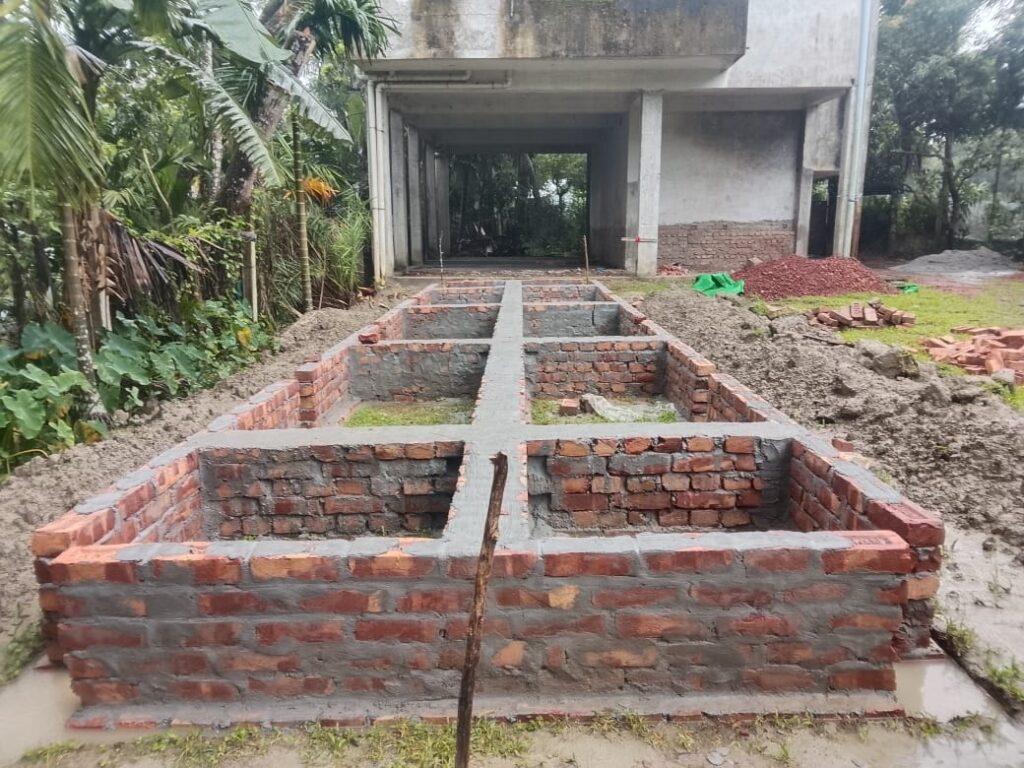
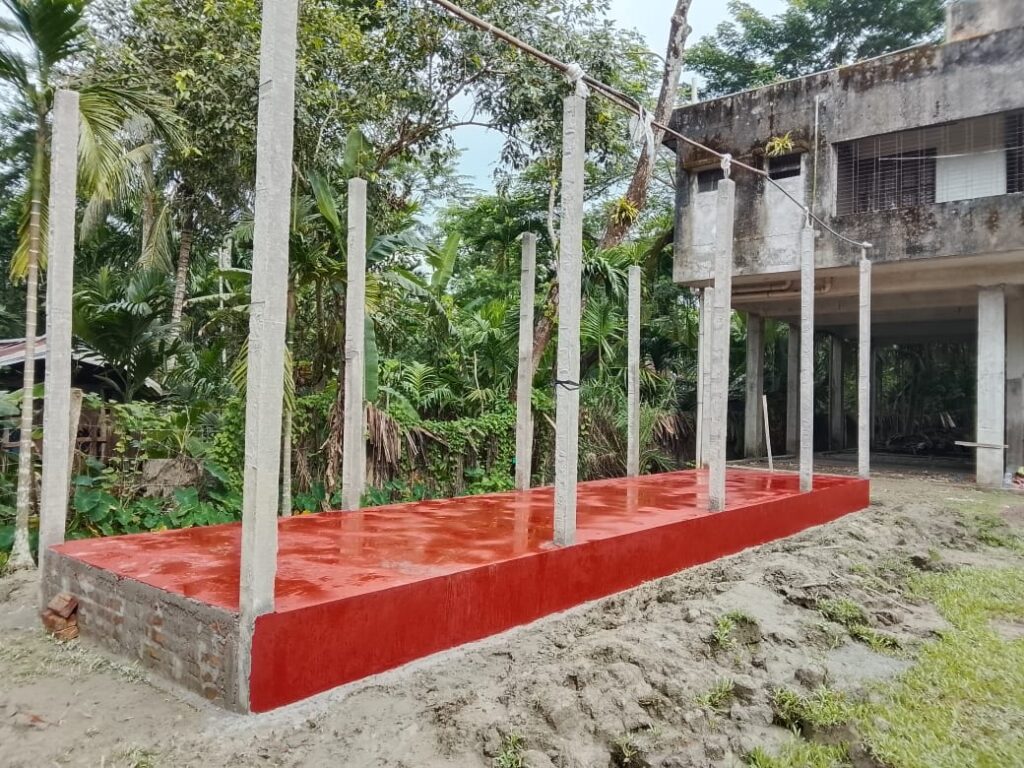
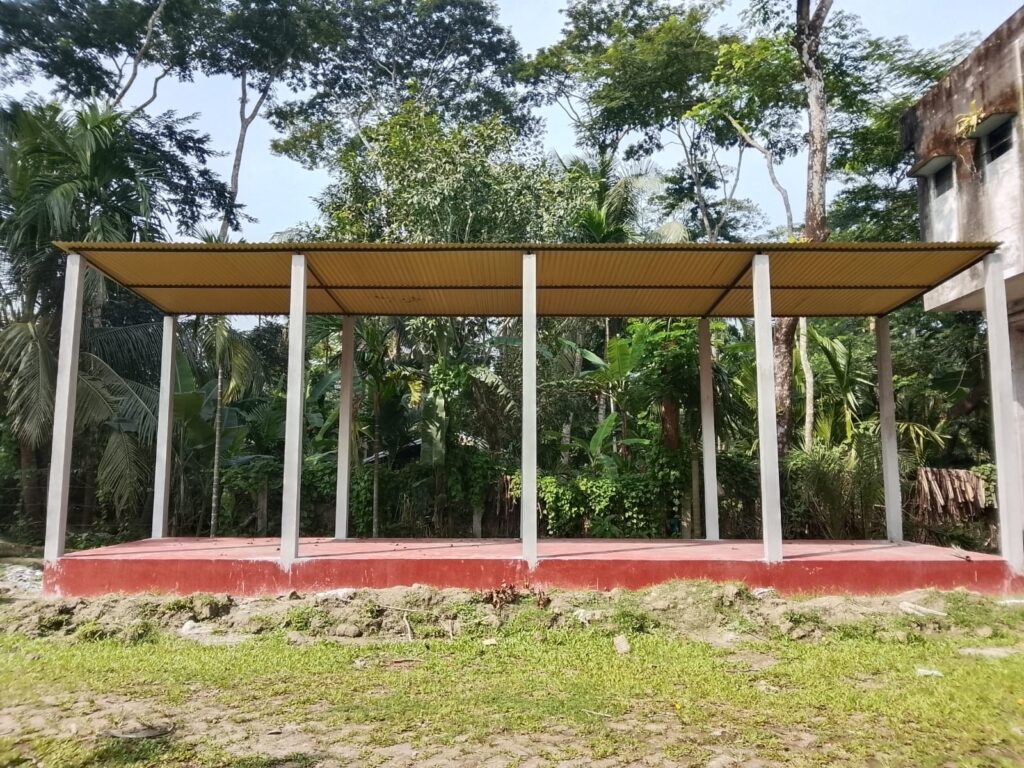
Construction of the RWHS commenced in September 2025. The contractor transported all necessary construction materials and equipment to the project site. Work began with preparation and construction of the reinforced concrete foundation and protective shed. Once the foundation and shed were completed, four 10,000 liter water tanks were securely installed. The installation followed approved technical design in order to ensure durability, efficient water collection, and ease of maintenance. With these key components in place, the RWHS structure was established.
6)RWHS Management Committee
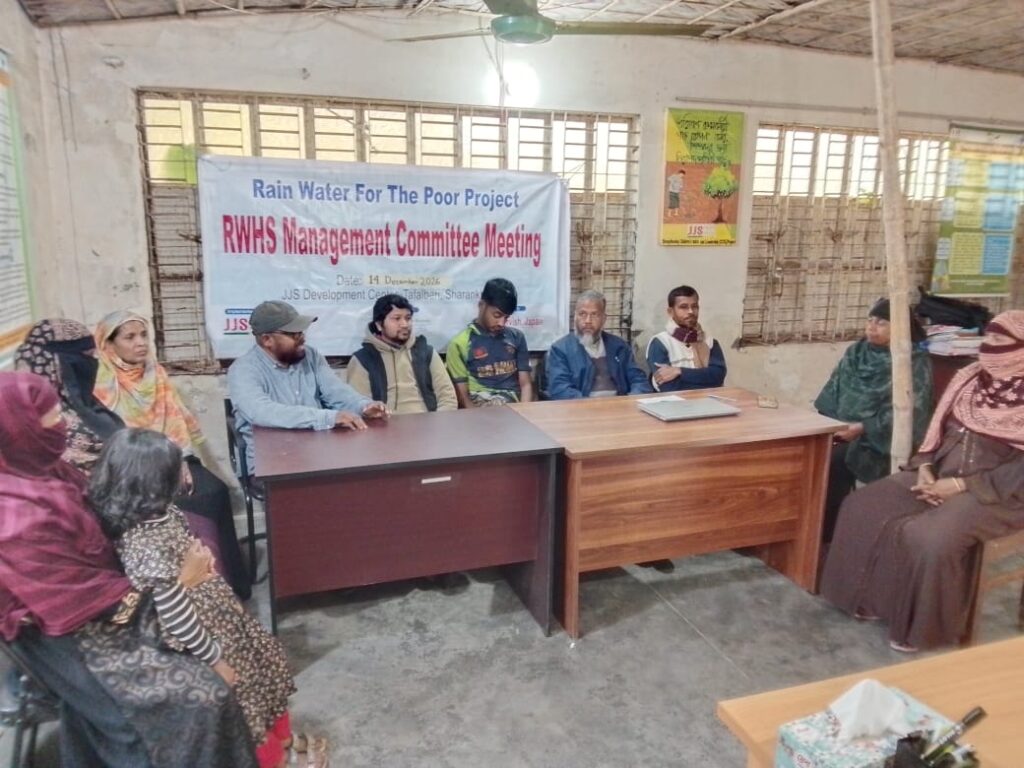
A ten member Management Committee representing the local community and stakeholders was formed in November 2025. The committee holds regular meetings and is responsible for day-to-day operations of the RWHS. JJS will bear the major operational and maintenance costs, while the Management Committee will mobilize local resources, when possible, to address minor repairs and improvements. JJS will continue to hold bi-monthly management meetings, provide technical support, manage activities, regularly supervise the system, and coordinate with local authorities.
7)Hygiene awareness campaign for the community
(1)Courtyard sessions
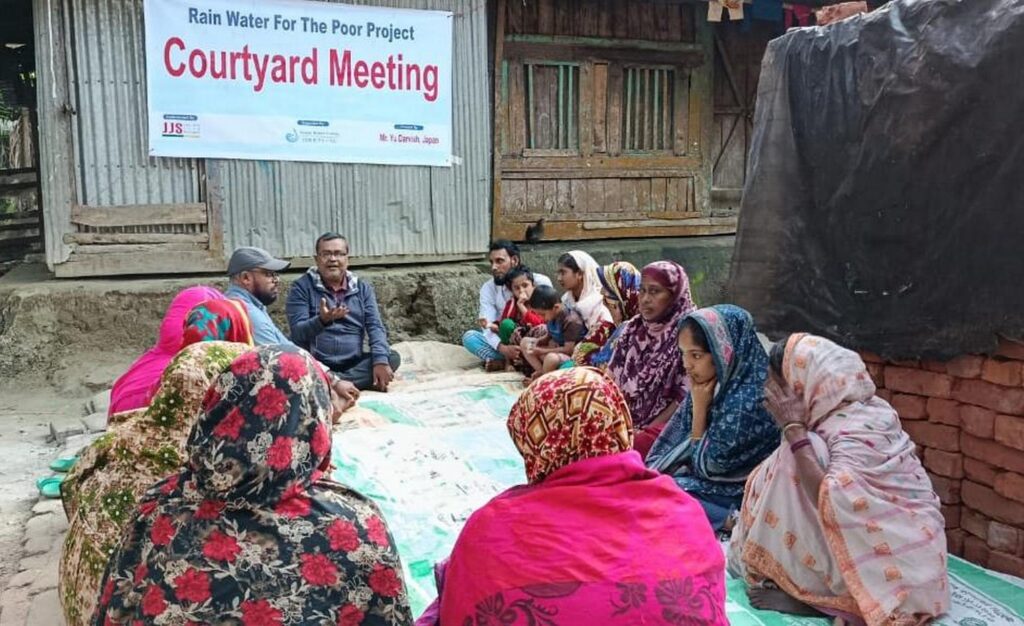
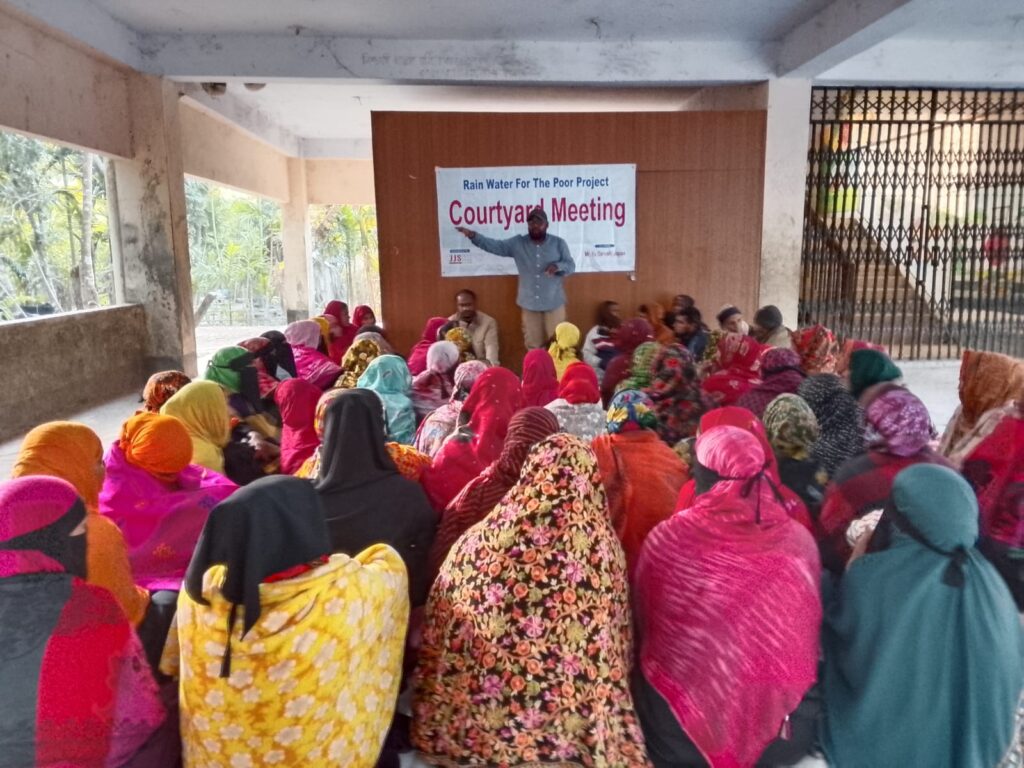
During the project period, two courtyard sessions were conducted at the community level to raise awareness on hygiene and safe water practices. The first session was held on 11 December 2025 with around 20 participants, both male and female. The second was held on 3 January 2026 at Uttar Southkhali Village. Most of the participants were women. Both sessions focused on personal hygiene, hand-washing at critical times, safe water handling, sanitation practices, and prevention of waterborne diseases. The use, maintenance, and benefits of the RWHS were discussed, along with household-level rainwater collection and safe storage techniques.
(2)School campaign
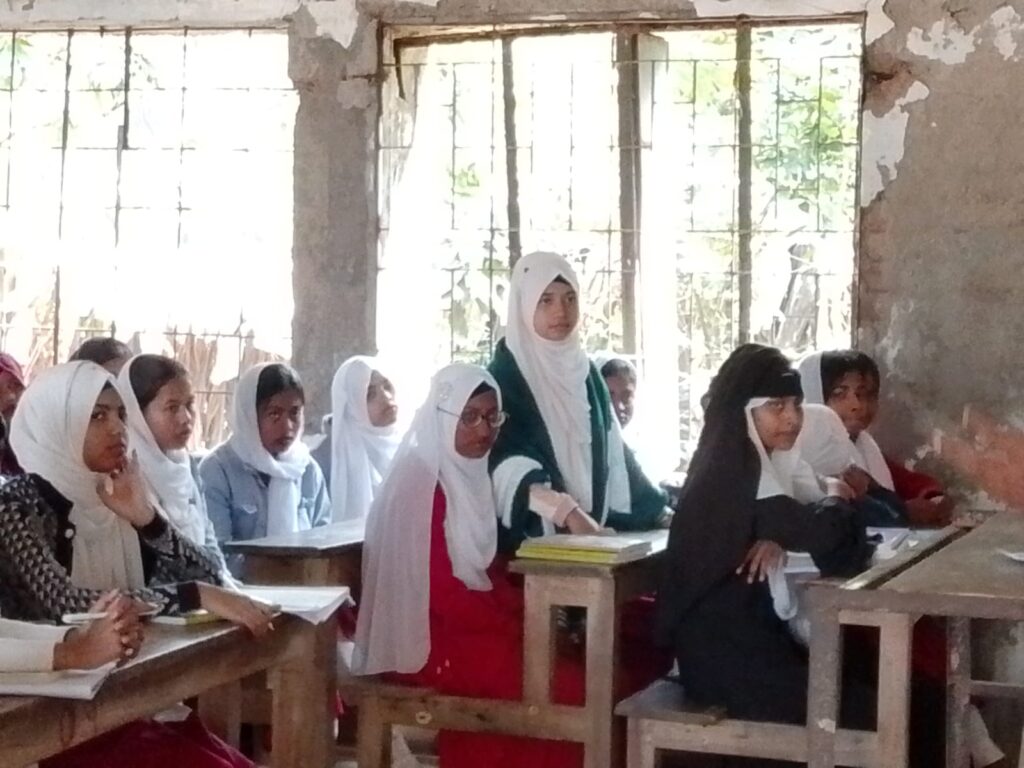
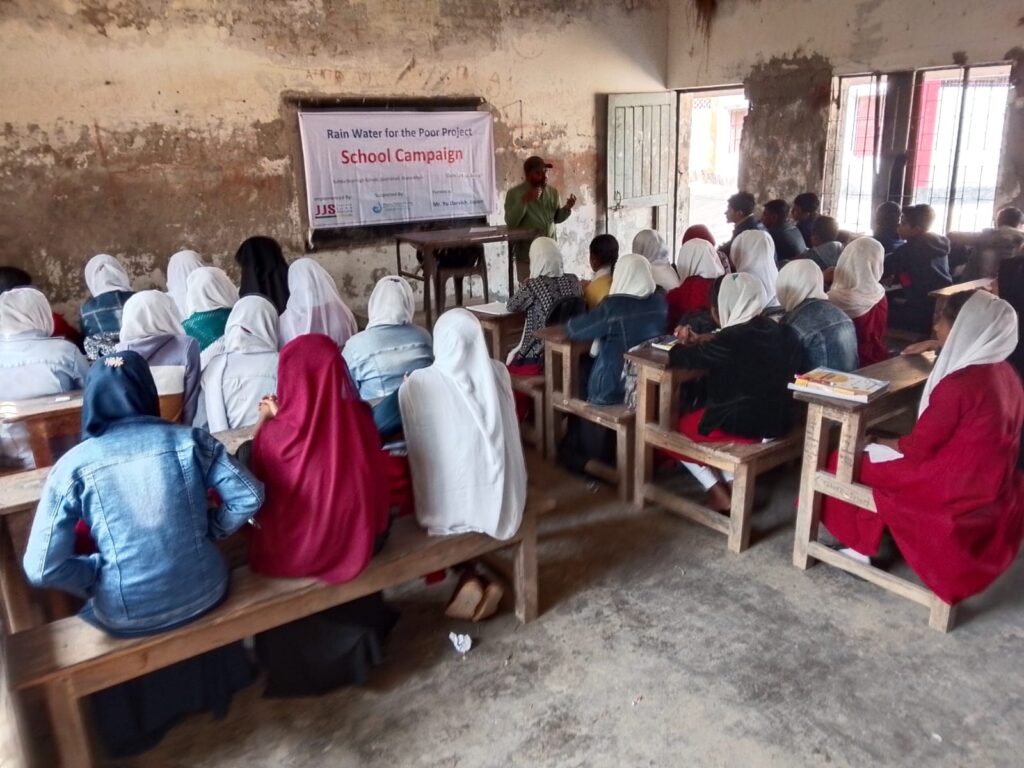
A school campaign on health and hygiene was conducted at Sundarbans Secondary School in Chaltabunia village, south of the JJS Development Center, on 13 January 2026 with students from classes 7- 9. A total of around 55 students participated. The session was facilitated by JJS field staff, with active support from teachers, who were also present throughout the program. The teachers appreciated the initiative and committed themselves to continuing similar hygiene awareness sessions in their classes. The session focused on practical and age-appropriate topics such as hand-washing at critical times (before eating, after using the toilet, after playing, and before preparing food), safe use and preservation of drinking water, sanitation practices, and prevention of common waterborne and hygiene-related diseases. Demonstrations on proper hand-washing techniques were conducted, and students were encouraged to practice during the session. Many students shared challenges they face in maintaining hygiene at home due to water scarcity, which helped facilitators provide practical and low-cost solutions. The session concluded with a message encouraging the students to act as hygiene ambassadors in their families and communities by sharing what they had learned. This school campaign would contribute to long-term community health improvement.
8)Water quality testing
As the project period did not coincide with the rainy season, rainwater could not be collected for testing this year. Once rainwater is harvested during the next rainy season, samples will be collected and tested by a recognized laboratory before the water is used for drinking.
9)Handover ceremony
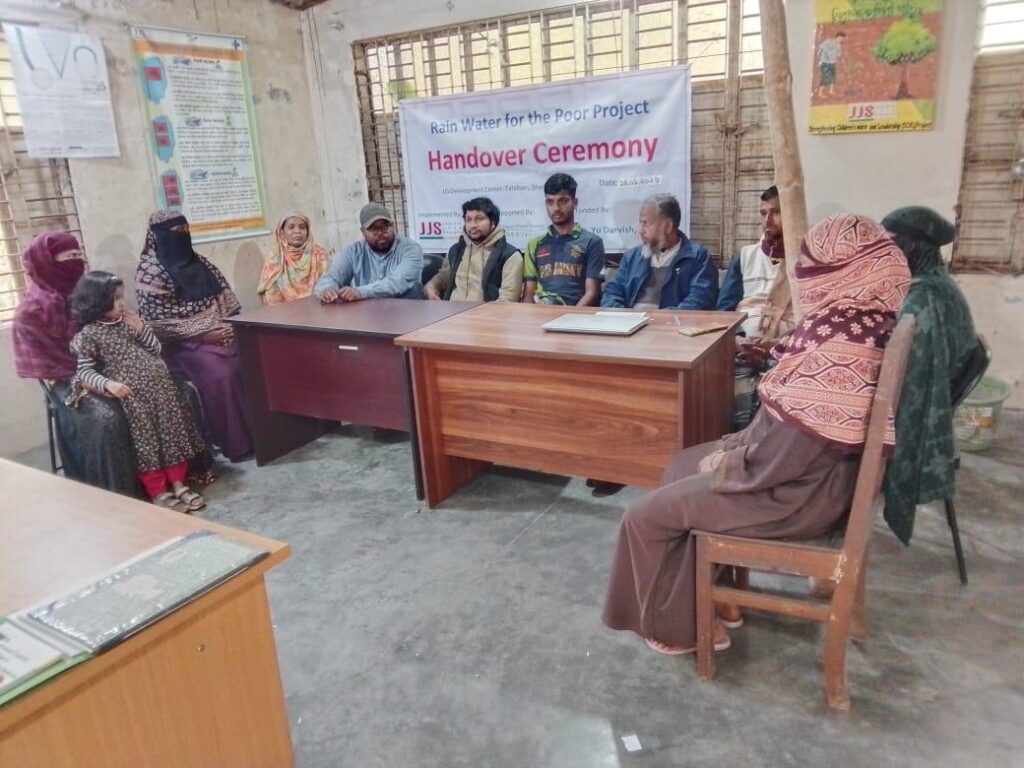
A handover ceremony was held on 14 January 2026 at the JJS Development Center, where the rainwater harvesting system (RWHS) was formally handed over to the RWHS Management Committee. All 10 members of the committee were present. During the event, the technical aspects of the RWHS were reviewed, including system operations, basic troubleshooting, cleaning of tanks and gutters, and safety measures. The committee members expressed their intention to manage the system properly and ensure fair access to water for all beneficiaries.
6.Conclusion
The Rain Water for the Poor project has been successfully implemented in Rayenda Village, South Khali Union, Bagerhat District, achieving its key objectives despite minor challenges. Although water quality testing could not be conducted this year due to the timing of the rainy season, arrangements have been made to carry it out in the next season. Overall, the project has established a sustainable, disaster-resilient water supply system and empowered the local community to manage it effectively, laying a foundation for long-term access to safe drinking water for vulnerable households in the area.
【Previous post】
▼2025/12/17 Interim Report on the Darvish Yu Water Fund 18th Project!▼
https://www.waterforum.jp/en/news/23977/

【Contact info】
Japan Water Forum
TEL: +81-(0)3-5645-8040 Fax: +81-(0)3-5645-8041
E-mail: office[at]waterforum.jp *Please change[at]to @
(Reported by Takejiro Suzuki, Project Manager)